

Warts: Unmasking the Intricacies and Solutions
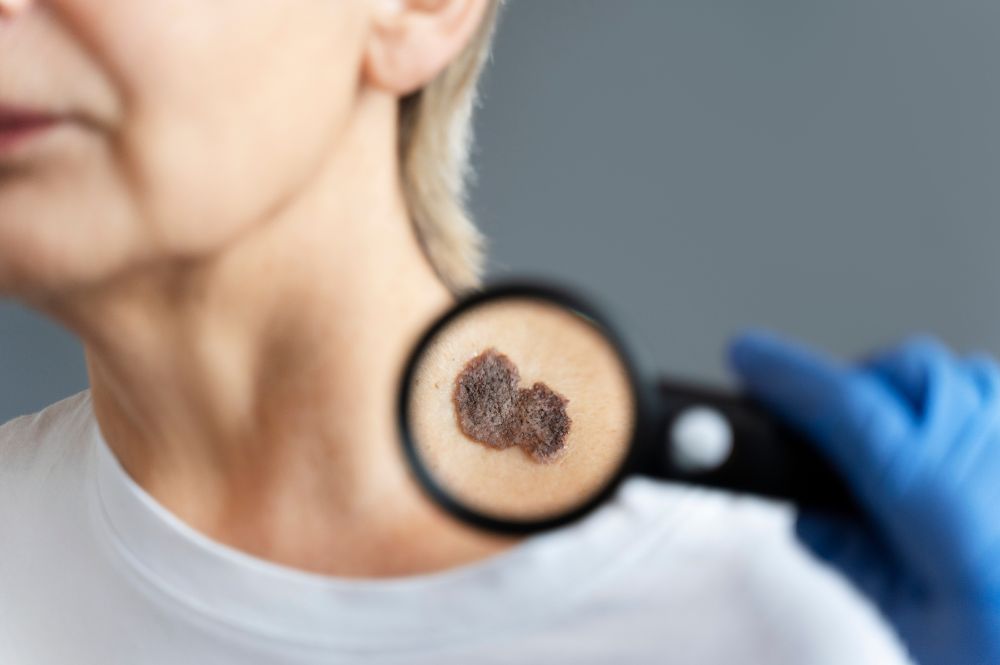
Warts, those raised bumps on the skin, are the result of the Human papillomavirus (HPV) infecting keratinocytes, causing the skin to thicken and toughen. While generally harmless, their unsightly appearance, potential embarrassment, contagious nature, and occasional pain lead many to seek their removal.
With over 100 types of HPV, some strains can cause more than just common warts on hands or feet. Certain variants can lead to genital warts, posing a potential risk of developing into cancer.
Let’s delve into the diverse types of warts and their distinct characteristics:
Common Warts:
- Typically found on knuckles, fingers, elbows, knees, and toes.
- Rough, grainy appearance with a cauliflower-like top.
- Appears grayer than surrounding skin.
Plantar Warts:
- Develop on the soles of the feet, growing into the skin due to weight pressure.
- Recognizable by a small hole .
- Can be painful, causing discomfort during walking and standing.
Mosaic Warts:
- Clustered warts on the plantar side of the foot, leading to thicker skin.
- Painful, especially when pressure is applied during walking.
Verruca Plana (Flat Warts):
- Benign skin infection caused by HPV.
- Elevated skin with a flat surface, commonly found on extremities and the head and neck region
Filiform Warts:
- Distinguished by long, narrow projections (1-2 millimetres) extending from the skin.
- Typically found around eyelids, lips, neck, fingers, and legs
Periungual Warts:
- Grow under and around toenails and fingernails, potentially affecting nail growth.
- Can be painful.
When to Seek Medical Attention for Warts:
- Causes pain.
- Bleeds easily.
- Changes appearance.
- Spreads easily to other parts of the body.
- Recurs after previous removal.
- Appears in areas prone to constant bumping and bleeding, affecting daily activities
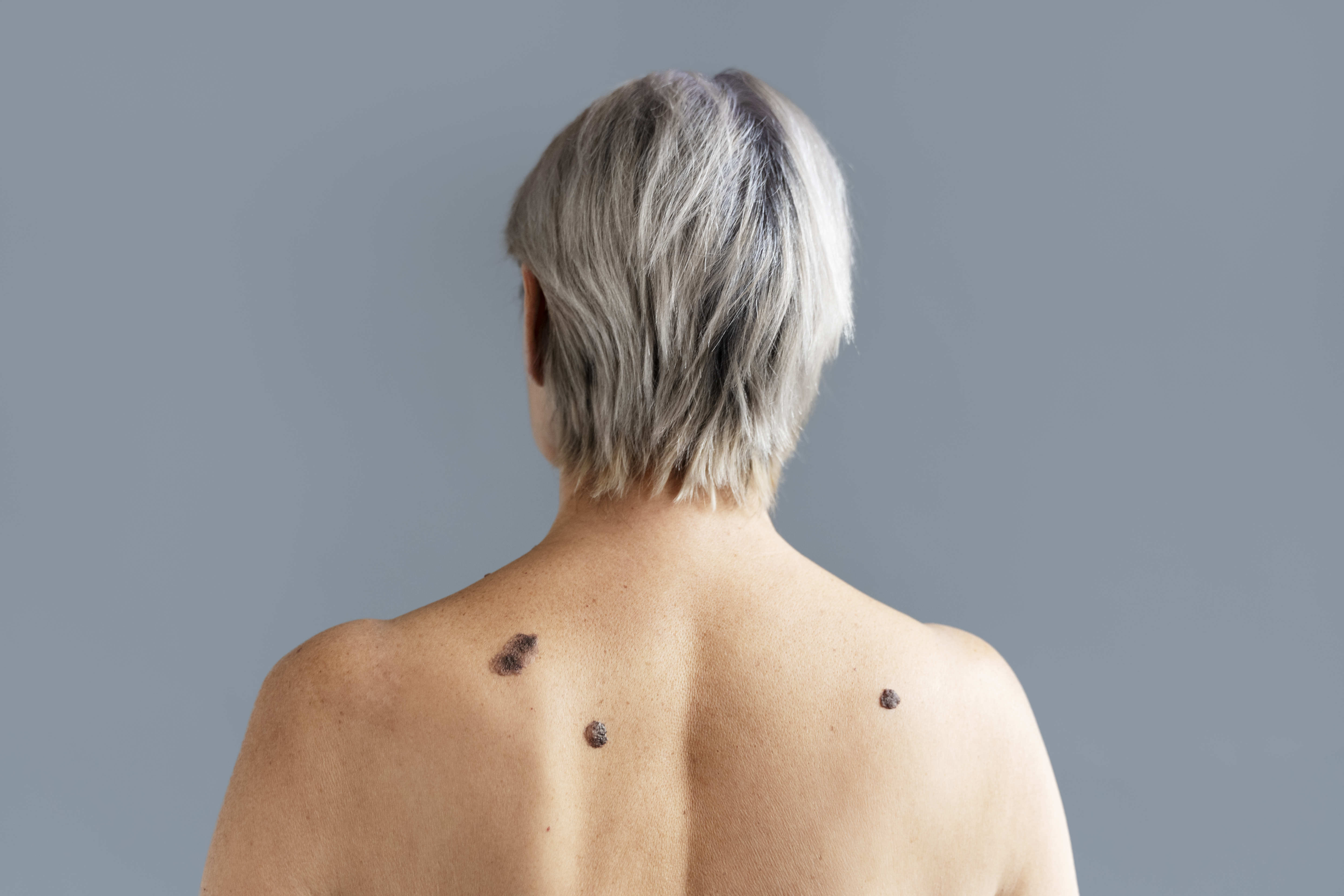
Preventing Wart Spread
To minimise the risk of catching or spreading warts:
- Avoid touching others’ warts.
- Refrain from using others’ personal items.
- Steer clear of sharing shoes and socks.
- Cover warts with waterproof material while swimming and use gloves or socks elsewhere.
- Maintain hygiene, especially after touching a wart.
- Follow preventative measures in communal spaces, like showers and pools.
Additional Precautions Include:
- Avoid filing or cutting nails with the same tool for infected and healthy nails.
- Refrain from biting fingernails if warts are nearby.
- Keep hands dry and wash them thoroughly after wart contact.
- Opt for comfortable shoes with sole padding.
- Use special pads designed for plantar warts to reduce pressure on the feet.
At Vitanova Clinics, we have several cases of successful treatments for warts. We understand the intricacies of wart removal and offer personalised solutions for your unique needs. Trust us to guide you on your journey to healthier, blemish-free skin.
