

Understanding & Managing Eczema: Insights from Vitanova Homeopathic Clinics
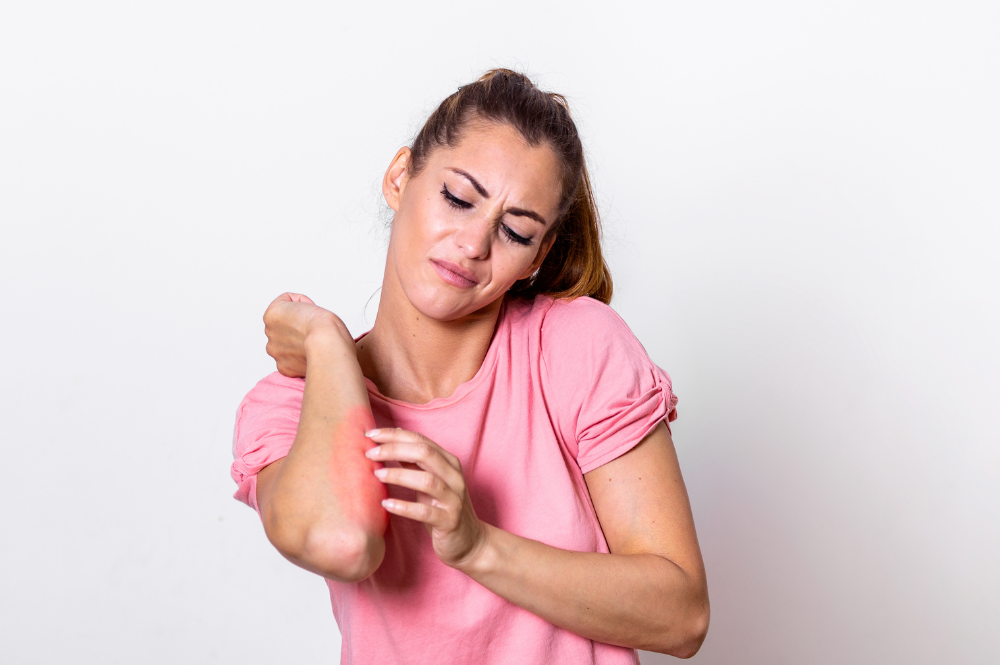
Eczema, often dubbed "the itch that rashes", is a reaction pattern rather than a specific health condition. At Vitanova Clinics, we recognize that eczema manifests in various forms, with at least 11 distinct types associated with different skin conditions.
Types of Eczema
- Atopic Dermatitis: Genetically based, it begins early in life, with rashes on the cheeks, neck, elbow and knee creases, and ankles.
- Allergic Contact Dermatitis: Results from exposure to allergens, triggering inflammatory reactions that lead to itchiness and irritation.
- Stasis Dermatitis (Varicose Eczema): Common on swollen lower legs due to poor circulation, often caused by varicose veins.
- Fungal Infections: Can mimic other eczemas, but identifiable through microscopic examination.
- Scabies: Caused by a mite infestation, it spreads easily through close contact, leading to a rash resembling eczema.
- Pompholyx (Dyshidrotic Eczema): Affects hands and occasionally feet, characterised by itchy blisters that may recur.
- Lichen Simplex Chronicus: Results from repetitive scratching, leading to thickened plaques on shins and neck.
- Nummular Eczema: Characterised by round or oval-shaped itchy lesions on various body parts.
- Xerotic (Dry Skin) Eczema: Presents as abnormally dry, red, and cracked skin, often affecting lower legs in dry conditions.
- Seborrheic Dermatitis: Primarily affects the scalp, leading to scaly patches and red skin, also impacting other oily areas of the body.
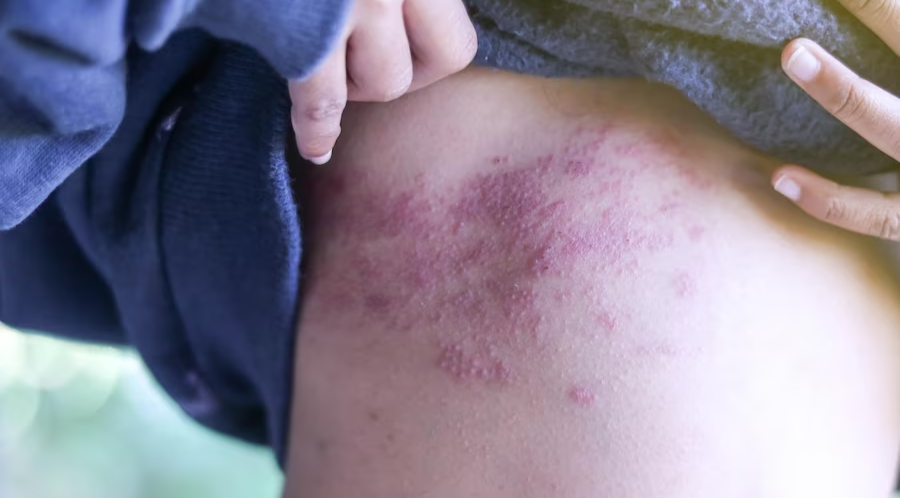
Symptoms
Eczema symptoms vary and can include severe itching, red to brownish-grey patches, raised bumps, thickened and cracked skin, and sensitivity. Dark skin may experience changes in pigmentation.
Eczema and Allergies
Eczema flare-ups can be triggered by irritants like harsh chemicals, wool, detergents, astringents, or fragrances. Genetic and environmental factors contribute to atopic dermatitis, with allergens like dust mites, pollen, animal dander, and certain foods exacerbating symptoms.
Causes
While the exact cause of atopic dermatitis remains unknown, genetic and environmental factors are implicated. Dust mites, pollen, animal dander, and certain foods can provoke flare-ups. Emotional stress and sweating may also contribute.
Complications
Complications of atopic dermatitis include a connection to asthma and hay fever, chronic itchy, scaly skin, skin infections due to scratching, and sleep disturbances from the itch-scratch cycle.
Tips to Minimise Flare-ups
- Use warm water for baths and choose mild soaps to preserve natural oils.
- Pat skin dry gently.
- Use natural oils like coconut, olive, etc., to moisturise.
- Identify and avoid triggers like stress, obesity, soaps, and allergens.
- Resist scratching to prevent infection, use cold compresses, and engage in distracting activities.
At Vitanova Clinics, our holistic homeopathic approach aims to understand and address the root causes of eczema, providing personalised care to manage symptoms and enhance overall well-being. Consult with us today and allow the healing powers of homeopathy to remedy your eczema.
