

Rediscovering Harmony: Understanding Seborrheic Dermatitis
.jpg)
Seborrheic dermatitis, often referred to as dandruff, seborrheic psoriasis, or seborrheic eczema, is a common skin ailment that can affect individuals of all ages. In infants, it is recognized as a "cradle cap". This troublesome condition primarily targets the scalp but can extend its influence to other oily regions of the body, including the face, ears, sides of the nose, eyebrows, eyelids, and even the chest.
Recognizing the Signs
Seborrheic dermatitis manifests with a distinct set of signs and symptoms, making it relatively easy to identify:
- Redness: The affected areas often exhibit redness, adding to discomfort.
- Itching: Persistent itching is a common complaint among those with seborrheic dermatitis.
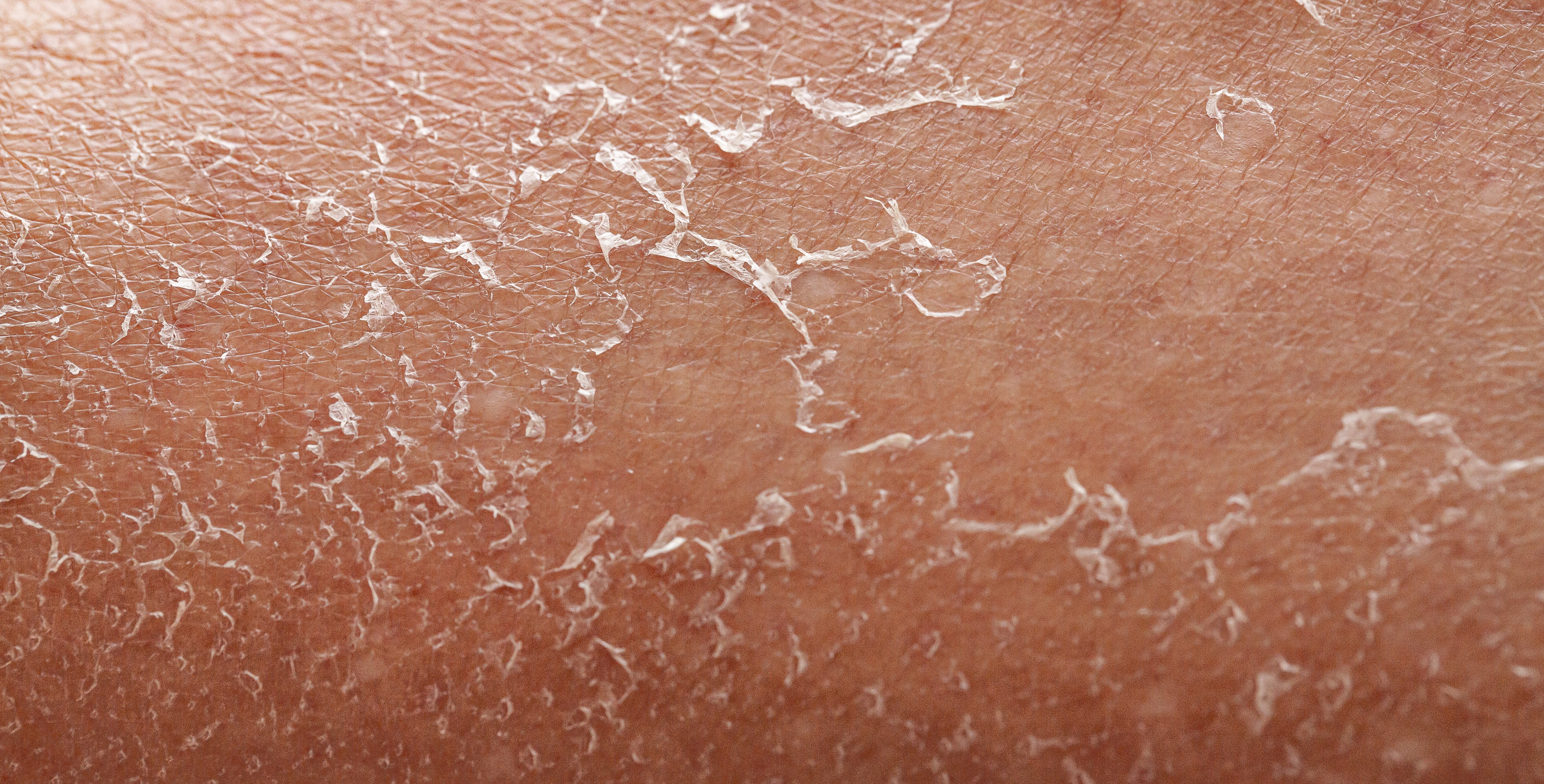
- Scaly Patches: The condition leads to the formation of greasy skin patches covered with flaky white or yellow scales or crust. This is what we commonly refer to as dandruff. These patches can emerge on various parts of the body, including the scalp, face, sides of the nose, eyebrows, beard, moustache, ears, eyelids, chest, armpits, groin area, or beneath the breasts.
Triggers and Causes
Despite being a well-recognized condition, the exact cause of seborrheic dermatitis remains somewhat elusive. However, it is believed to be associated with:
- Malassezia Yeast: The presence of a yeast called Malassezia in the skin's oil secretions is suspected to play a role in the development of seborrheic dermatitis.
- Immune System Variations: TAn abnormal response from the immune system may also contribute to the condition's onset.
Factors at Play
Certain factors increase the risk of developing seborrheic dermatitis:
- Weakened Immune System: Individuals with compromised immune systems, such as organ transplant recipients, HIV/AIDS patients, those with alcoholic pancreatitis, and some cancer patients, are at a higher risk.
- Neurologic and Psychiatric Conditions: Conditions like Parkinson's disease and depression can be linked to seborrheic dermatitis.
- Recovery from Stressful Medical Conditions: After enduring medical conditions like a heart attack, seborrheic dermatitis may emerge.
- Medications: In some instances, specific medications can also be a contributing factor.
Arriving at a Diagnosis
To diagnose seborrheic dermatitis, your doctor may conduct a skin cell examination (biopsy) to rule out other conditions with similar symptoms, including:
- Psoriasis: This condition shares similarities with seborrheic dermatitis, manifesting as red skin covered with flakes and scales. However, psoriasis usually involves more scales, which tend to be silvery-white.
- Atopic Dermatitis (Eczema): Characterised by itchy and inflamed skin, atopic dermatitis typically affects the folds of the elbows, the backs of the knees, or the front of the neck.
- Tinea Versicolor: This rash appears on the trunk but is typically less red in comparison to seborrheic dermatitis patches.
- Rosacea: Primarily occurring on the face, rosacea exhibits minimal scaliness in comparison to seborrheic dermatitis.
Understanding the nature of seborrheic dermatitis and its potential triggers is the first step towards effective management. If you suspect you have this condition, seeking professional medical advice is essential to ensure proper diagnosis and treatment. At Vitanova Clinics, we're here to provide the homeopathic guidance and care you need to rediscover harmony in your skin health.
