

Discovering Hope and Relief: Psoriasis Insights from Vitanova Clinics
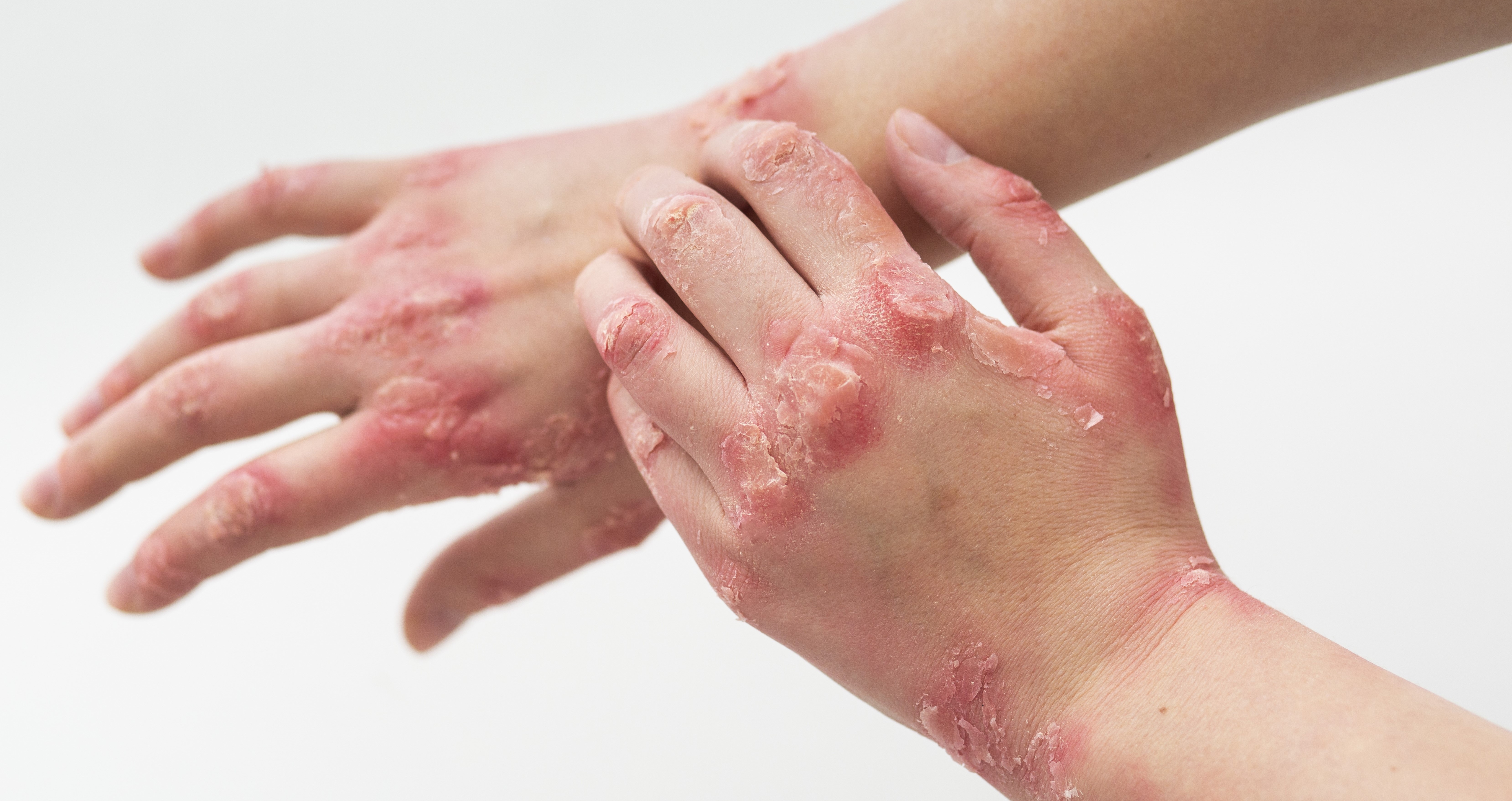
Psoriasis, a chronic immune-mediated skin condition, manifests as raised, red, and scaly patches that can affect anyone, anywhere on the body. While the exact cause of psoriasis remains a mystery, scientists understand that it's closely tied to genetics and the immune system. Typically, some triggers cause psoriasis to flare up, leading to the rapid growth of skin cells and the formation of these troublesome patches.
The good news is that psoriasis is not contagious, so you can't "catch" it from someone else, and the lesions themselves are not infectious.
Identifying Your Psoriasis Type
Understanding the type of psoriasis you have is crucial for effective management. There are five primary types:
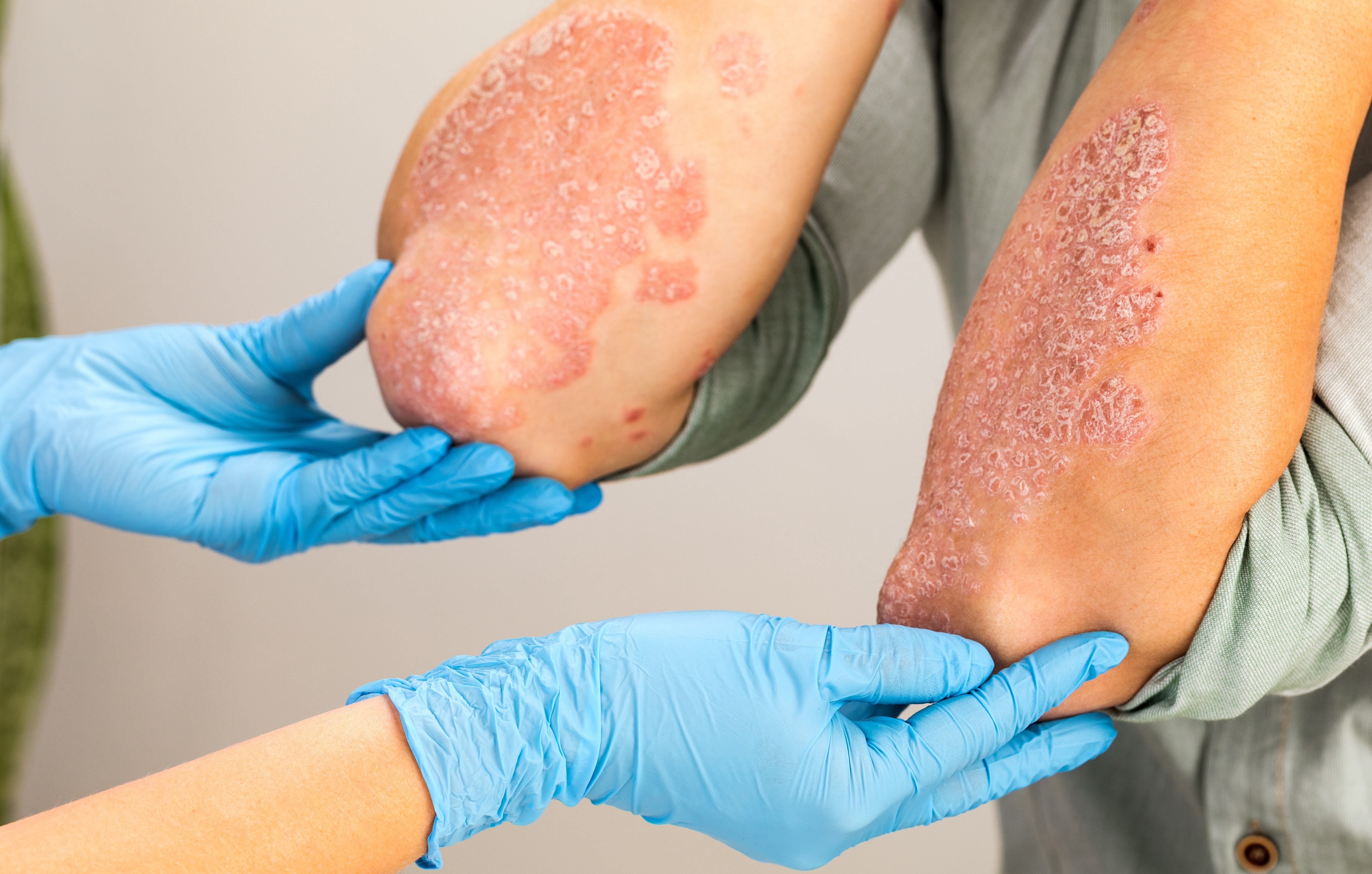
- Plaque Psoriasis: The most common type, characterised by raised, red patches covered with a silvery-white layer of dead skin cells. These plaques often appear on the scalp, knees, elbows, and lower back, causing itching, pain, and occasional bleeding.
- Guttate Psoriasis Typically seen as small, dot-like lesions, often triggered by a strep infection, and frequently occurring in childhood or young adulthood.
- Inverse Psoriasis: This form manifests as red lesions in body folds, such as behind the knee, under the arm, or in the groin, sometimes appearing smooth and shiny.
- Pustular Psoriasis: Recognized by white pustules surrounded by red skin, filled with white blood cells, but not an infection and not contagious. It can occur anywhere but is most common on the hands or feet.
- Erythrodermic Psoriasis: A severe form causing widespread, fiery redness across the body, accompanied by severe itching and skin shedding. It's rare but can be life-threatening. If you suspect you have erythrodermic psoriasis, seek immediate medical attention.
Where Psoriasis Appears
Psoriasis can manifest in various areas, each requiring specialised care:
- Scalp: From mild scaling to severe crusted plaques, it can extend beyond the hairline, onto the forehead, neck, and around the ears.
- Face: Often affecting the eyebrows, skin between the nose and upper lip, upper forehead, and the hairline, facial psoriasis demands gentle treatment due to the skin's sensitivity.
- Hands, Feet, and Nails: Prompt and careful treatment is vital for sudden flares, which can involve cracking, blisters, and swelling. Nail changes are also common.
- Genital Region: While inverse psoriasis is typical here, other forms can appear, requiring careful management.
- Skin Folds: Inverse psoriasis can occur in skin folds, irritated by rubbing and sweating.
Determining Psoriasis Severity
Psoriasis severity is measured by both the body surface area it covers and its impact on your quality of life. Severity levels include:
- Mild: Covers less than 3 percent of the body.
- Moderate: Covers between 3 and 10 percent of the body.
- Severe: Covers more than 10 percent of the body.
Remember, even a small area of psoriasis can have a significant impact on daily life, so seek appropriate care regardless of severity.
The Risk of Psoriatic Arthritis
Around 11 percent of psoriasis patients also develop psoriatic arthritis, with an estimated 30 percent facing this risk over time. Early detection and treatment are vital to prevent permanent joint damage.:
Lifestyle and Home Remedies
While medical treatment is essential, there are self-care measures you can take to reduce itching and soothe inflamed skin:
- Moisturise: Apply neutral oils like coconut oil, olive oil, or Vaseline at least twice a day to keep your skin hydrated and prevent cracking.
- Avoid Scratching: Instead of scratching, gently press on the itchy area, and consider covering it or trimming nails, especially for children.
- Gentle Soaps: Use mild soaps without dyes or perfumes, and ensure thorough rinsing.
- Comfortable Clothing: Wear smooth-textured, breathable clothing to reduce irritation, especially during hot weather or exercise.
- Manage Stress: Emotional well-being plays a significant role in psoriasis management. Addressing stress and anxiety can positively impact your condition.
At Vitanova Clinics, we understand the complexities of psoriasis and offer comprehensive care tailored to your specific needs. Don't hesitate to reach out to us for expert guidance on managing your psoriasis and improving your quality of life.
