

Understanding Molluscum Contagiosum: Symptoms, Risks, and Prevention
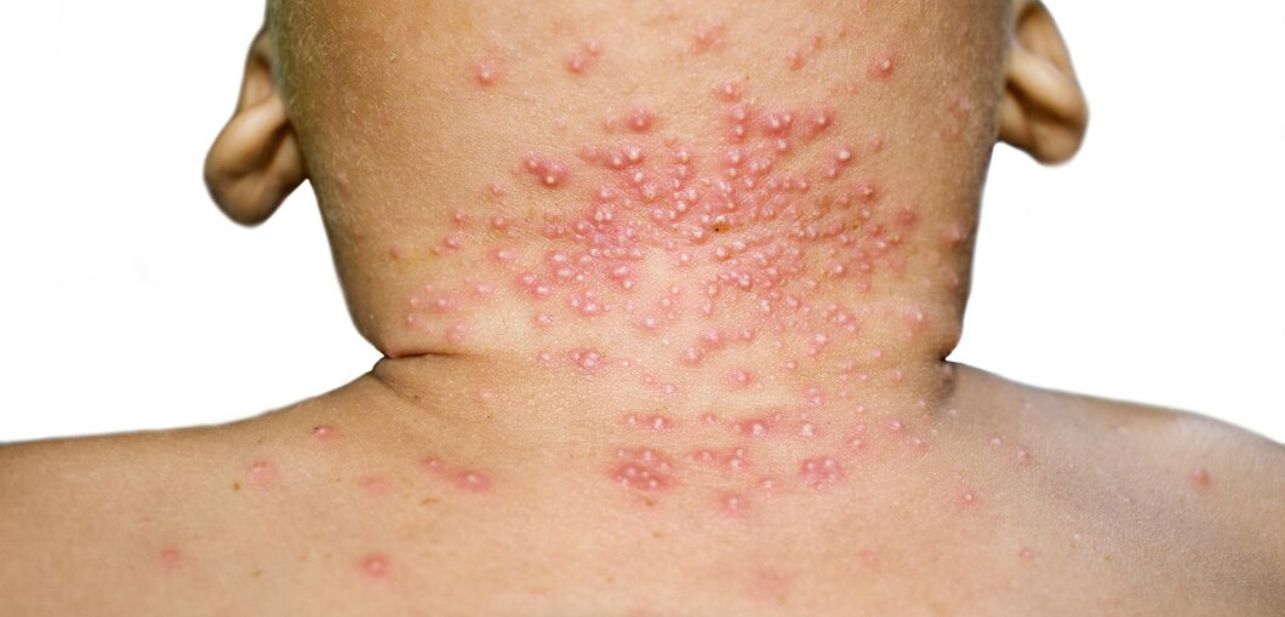
Molluscum contagiosum, a viral skin infection caused by the Molluscum contagiosum virus (MCV), presents itself as painless, firm bumps on the skin. Primarily affecting children under 15, it can also impact adults, especially those with weakened immune systems, or through sexual contact involving the genital region.
Symptoms
MCV's incubation period varies from 7 days to 6 months, with children commonly developing papules on the face, trunk, and limbs, while sexually transmitted Mollusca in adults appear in genital areas. These papules are generally painless, 2 to 5 millimetres in diameter, with a dimpled centre and a central core of white waxy material. While initially firm and flesh-coloured, they may become softer, turn red, and drain over time. Scratching or rubbing can spread the virus to adjacent skin.
Risk Factors
Certain groups are more susceptible to Molluscum contagiosum, including children under 10, individuals in tropical climates, those involved in skin-to-skin contact activities like wrestling, judo, people with weakened immune systems, and those with atopic dermatitis.
Recovery and Complications
Mollusca typically crust over and heal within 6 to 12 weeks, leaving minimal scarring. In individuals with normal immune systems, they rarely return once completely gone. However, immuno-compromised individuals may experience chronic and extensive lesions lasting for years. Complications such as bacterial infections, eczema around Mollusca, and, if near the eyes, conjunctivitis or keratitis can occur.
Prevention
Preventing the spread of Molluscum contagiosum is essential, considering its contagious nature. Basic hygiene practices like thorough handwashing and avoiding touching, scratching, or rubbing lesions are crucial. Shaving over infected areas should be avoided, as it can encourage the spread of the infection.
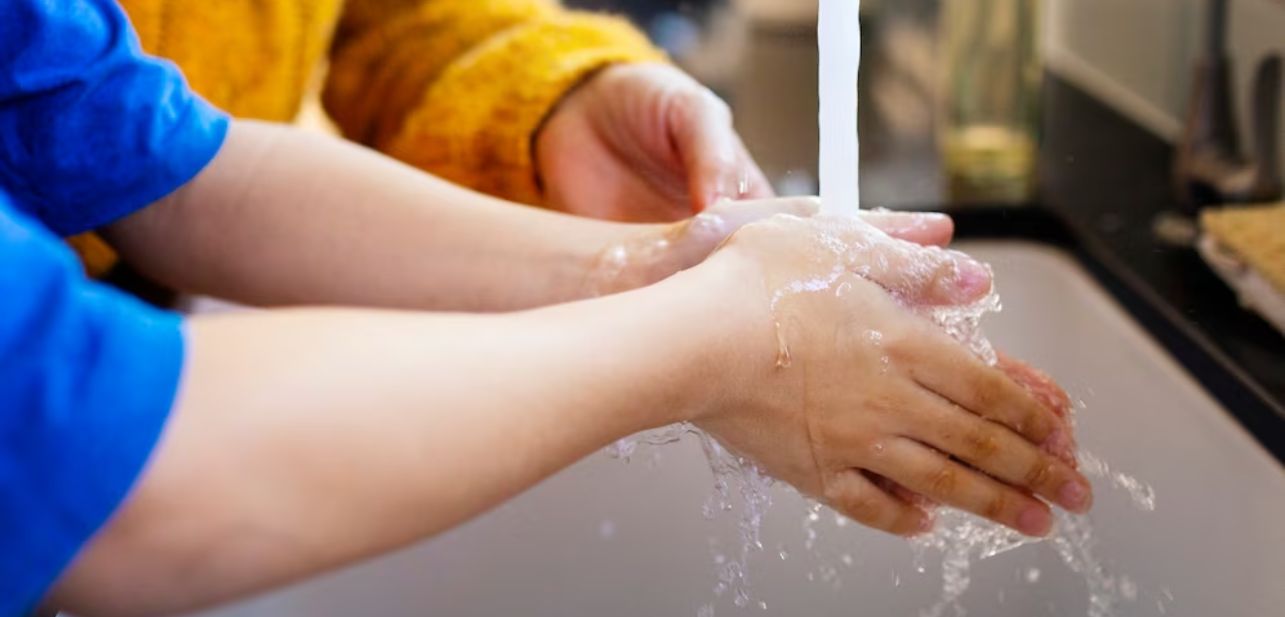
Sharing personal items, such as clothing, towels, and hairbrushes, should be avoided to prevent infection transmission. Sexual contact should be avoided until the lesions have completely healed, as condoms do not provide complete protection.
Covering lesions with clothing when in close contact with others helps prevent direct skin-to-skin contact. In swimming pools, the focus should be on items outside the water, like sun beds, towels, and diving boards, which are more likely to spread infection than chlorinated water. Using watertight bandages over lesions during swimming can further reduce the risk of transmission.
While Molluscum contagiosum typically resolves on its own, understanding its symptoms, risk factors, and preventive measures is crucial for effective management and minimising complications.Vitanova Clinics, with its expertise in homeopathic care, offers personalised solutions for those dealing with Molluscum contagiosum.
